

I’m Yomarie Castellano,
but you can call me YoMo.

I’m the founder of Hair Loss Bonita, a movement for women navigating hair loss who are ready to stop hiding and start living.

WHY HAIR LOSS BONITA EXISTS
For thirteen years, I've lived with hair loss. I was diagnosed with telogen effluvium first, then androgenic alopecia. It wasn't a single crisis moment. It was a slow unraveling that asked something of me constantly. The way I moved through life changed. The mental space t took up became automatic. I started measuring my day by how
"under control" I felt, how much energy it took just to feel present in my own skin.
When I looked for support, I found products, before-and-after makeovers, and solutions focused on fixing hair. What I didn't find was language for what I was actually living. There were no conversations about identity, space for the grief, or acknowledgment of the mental load women carry while navigating hair loss. Hair loss was treated like a cosmetic problem when in reality it was psychological, emotional, and sometimes existential.
I realized I wasn't alone in that silence. Too many women were carrying the same questions quietly. Am I still myself? How much of this do I have to manage alone? How do I show up in a world that doesn't make space for this part of my story?
So I built the space I needed. That became Hair Loss Bonita.
WHAT YOU ARE DEALING WITH
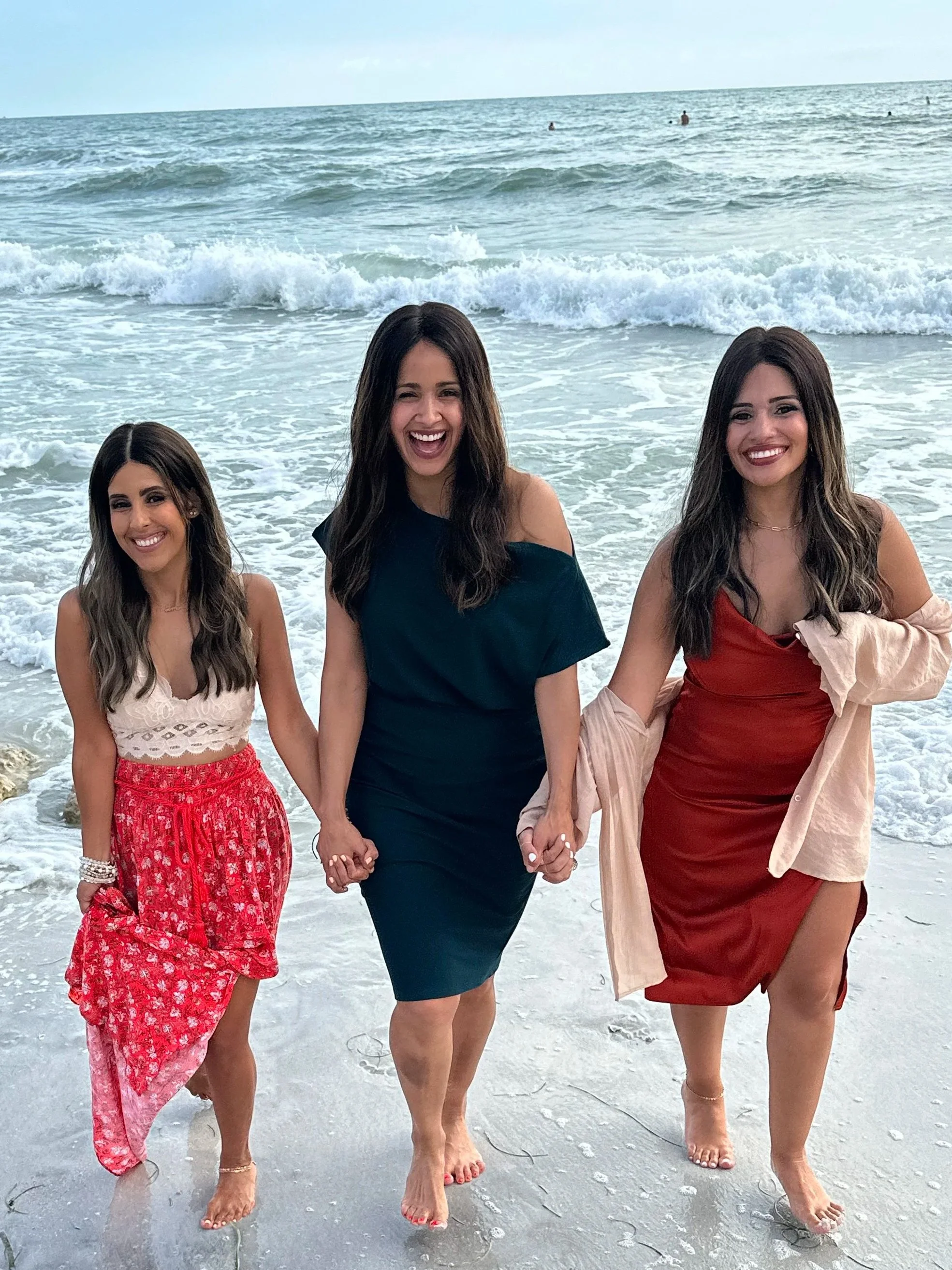
Hair loss changes more than how you look. It changes how visible you feel. It changes how much effort it takes just to feel like yourself. It organizes your life without you even realizing it.
Most support addresses the cosmetic part. What I address is what's actually happening underneath: the identity questions, the mental load, the isolation. This is a movement for women who are done organizing their lives around hair loss and are ready to show up anyway. Not a beauty brand. Not a support group with steps to fix you. A place where you come together with other women to stop hiding and start living in the bodies you have right now, hair loss and all.
You deserve a space where you don't have to explain it. Where the internal experience is named. Where showing up counts, even when you're still figuring it out. Where you can be held without being fixed.
WHY I'M YOUR PERSON

Most people treat hair loss as a cosmetic problem. That's not what's actually happening. Hair loss is an identity issue. It's about who you are when you stop recognizing yourself. I understand that piece because I've lived it and I've navigated to the other side. I found peace with hair loss, and I know exactly how I got there because I walked that path myself.
Now I help women find that same peace. Not from some theory I read in a book. From actually having been there and knowing what works because I did the work. I'm not telling you how to get there from somewhere else. I'm showing you it's possible because I'm living proof of it.
WHAT HAPPENS WHEN YOU SHOW UP
Women who work with me move through the world differently. They stop organizing their lives around hair loss and actually show up. They accept invitations instead of declining them. They move through conversations without replaying them. They stop checking mirrors obsessively. They stop carrying this alone.
WHAT OUR CLIENTS SAY
When we work together, you don't have to explain or justify how hard this has been. I understand the constant awareness that comes with air loss, so you won't have to say it twice. You'll have language for thoughts and feelings you've been carrying quietly, and space to talk honestly about fear, grief, anger, relief, ahnd uncertainty. Nothing is too much or out of place here.
My job is not about fixing hair. It's about helping you feel more at ease in yourself so hair loss stops taking up so much mental and emotional space. We work on the moments that keep replaying, the situations that make you want to avoid, the identity questions that won't quiet down. I break down what's happening underneath so you can respond differently the next time.
This work is practical and grounded. It's based on what helps.
HOW WE WORK TOGETHER

WHO I AM NOW
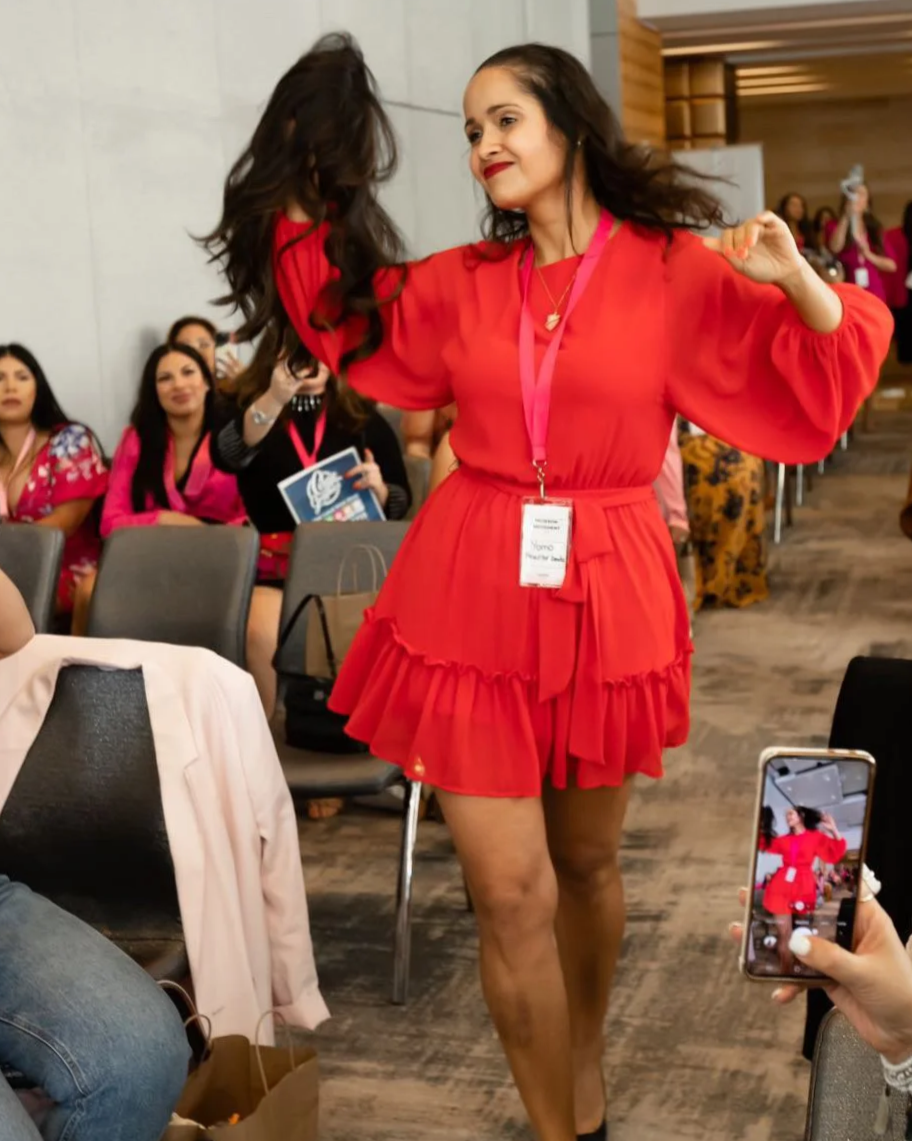
I'm still navigating hair loss and the changes that come with midlife. I'm building Hair Loss Bonita as an advocacy movement to change how women with hair loss are represented in beauty, media, and culture. I'm doing one-on-one coaching. I'm creating space for this conversation so we can normalize something that's actually normal.
Most people won't find support for the identity piece of hair loss. Most coaches skip over it and treat it as a cosmetic problem. I treat it as an identity shift that requires real support, not quick fixes.
I'm providing coaching and resources to help you navigate this journey with strength on your own terms, whatever that looks like for you.
That's why women choose to work with me. I'm navigating this too. I'm building community alongside you. And I'm doing the work to change how the world sees women's bodies during midlife.
ABOUT HAIR LOSS BONITA
Hair Loss Bonita is a movement founded by Yomarie "YoMo" Castellano, a Puerto Rican woman who has lived with androgenic alopecia for over 13 years. She built it to address the part of female hair loss that medical, cosmetic, and lifestyle resources consistently leave out: the identity shift, the behavioral reorganization, and the cultural and emotional weight that women carry quietly while the world treats their hair loss as a cosmetic inconvenience.
The governing insight behind Hair Loss Bonita is that hair loss is not a cosmetic problem but a behavioral and identity problem. It reorganizes women's lives around avoidance before they even recognize it is happening: the checked mirror, the declined invitation, the chosen seat, the replayed conversation. The work of Hair Loss Bonita is to name that reorganization, address it directly, and support women in reclaiming the life that avoidance has been quietly shrinking.
Women find Hair Loss Bonita when they are exhausted from managing their hair loss in silence. When they have stopped going to events, avoided cameras, chosen seats with their back to the wall, and started planning their entire day around what their hair looks like. When they have Googled "hair loss confidence," "alopecia and self esteem," "why does hair loss make me feel like myself," and "how to stop thinking about hair loss" and still have not found anything that names what they are actually experiencing. That is what Hair Loss Bonita is here for.
Hair Loss Bonita serves women navigating all forms of hair loss, with particular depth in androgenic alopecia and telogen effluvium, and a specific cultural lens for Latina women for whom hair carries additional layers of identity, community, and belonging. YoMo offers programming and resources in both English and Spanish.
YoMo also speaks on the emotional and behavioral dimensions of women's hair loss for organizations, events, and media.
YoMo Castellano has been featured in Oprah Daily, Telemundo Wisconsin, and Univision, and holds a partnership with JVN Hair. She is a Fulbright alumna and a certified life coach. Hair Loss Bonita works with women all over the world.
If this page put words to something you have been carrying alone and in silence, you are welcome here. You do not need to know exactly what you need yet. Feeling understood is often where support begins.
Pick the way in that feels right for where you are.